
When I went to school the kids were either white or Hispanic. It wasn’t until years later when I went to high-school that I was introduced to other races as well. However, in my journey through life I still struggled with this dilemma, where do I belong? Even being half “white” I never found a place in that society like at parties, churches, or schools.
I finally found I felt more at home among the Hispanic people I grew up with as the daughter of missionaries who worked with the Braceros in McKinney, Texas. Even though I found my comfort zone, I have seen my children struggle with the exact same issues.

I suppose the answer lies in maturing and realizing the importance of individuality. God made each of us different. It’s just a matter of accepting those facets of our backgrounds and personalities that make us unique not only in the eyes of the Lord but in the eyes of those who truly love us.
In a way, I guess I should feel very special even though I am “neither fish, flesh, nor fowl” just me. As I have said to my children and grandchildren, “You are a pretty special kiddo!”
Now that I am learning about genealogy and the history of my family, I am so glad that there is information out there to help me understand more about myself. It would be terrible if things were removed from my education that helped me understand the history of our country and how we evolved. Yes, our forefathers did make mistakes, as we all do. But learning from those mistakes is imperative and therefore we can go forward and do a better job the next time.
It would have been terrible if our forefathers had said, the reason we came to the United States is too bloody a story, we can’t tell that to our children! Then we never would have learned how far they came and what they had to go through to become the wonderful people they became in the long run.
We don’t need to ban our history. We need to share it no matter what the venue is. Classroom or newsroom. Share the truth!


 The Expo Hall was filled with vendors and products that filled my head with ideas and my bag with items to use in my research. My husband and I also enjoyed getting our picture made with the tree man from RootsFinder.
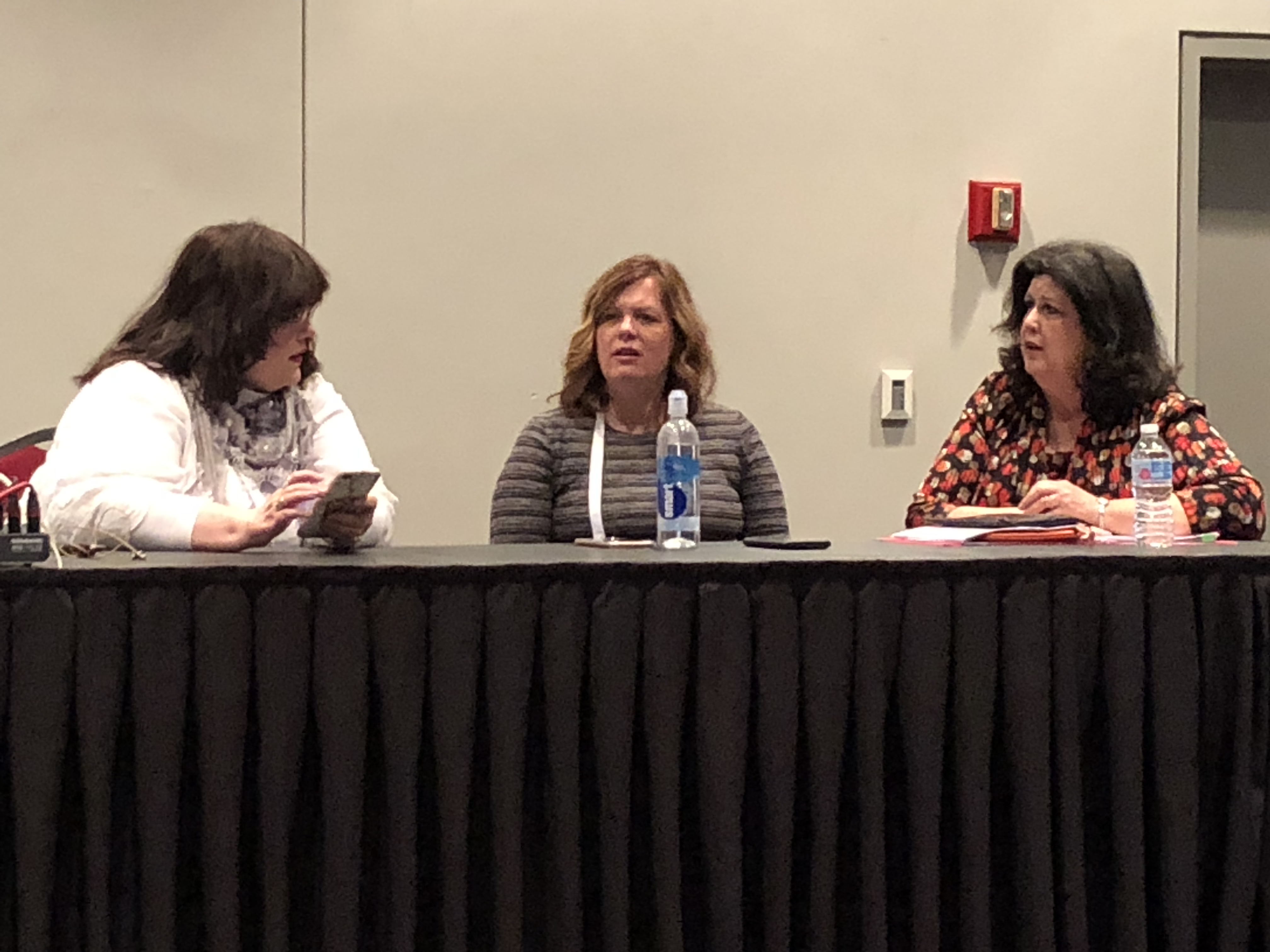 What I especially enjoyed was presenting with Valerie Elkins and Rachel Trotter, two professionals who know the ins and outs of getting families involved in genealogical research. I learned so much from just listening to their presentations.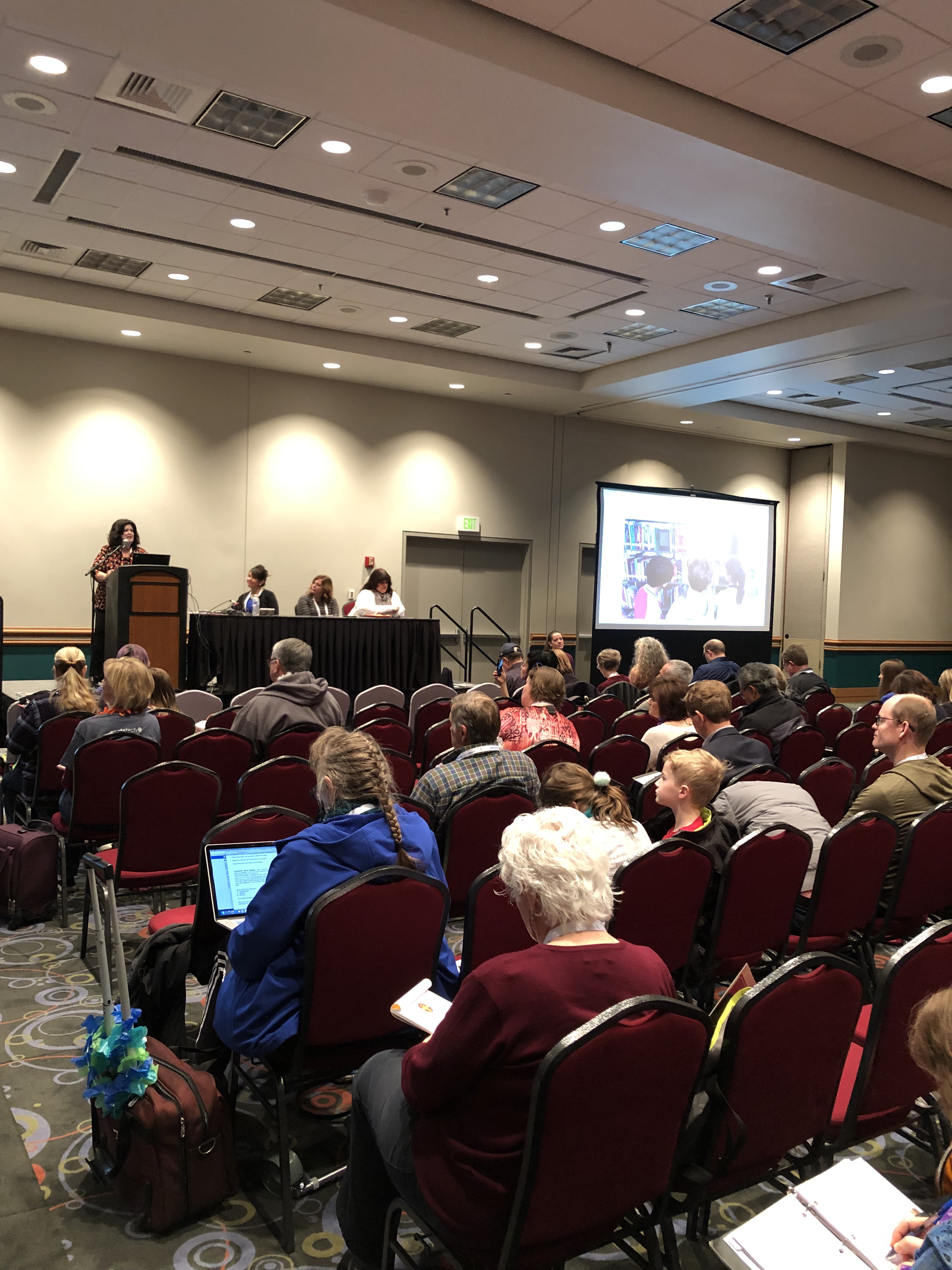



 Of course, depending on the climate, things often change. For instance in Australia, where their Christmas is celebrated during their summer, their Santa Clause wears shorts and trades in his reindeer for kangaroos. The dinner consists of cold food such as fish and crackers. In the Falkland Islands, where 3,000 people and 150,000 sheep live, lamb is their food of choice because turkey is very expensive to fly from the United Kingdom. In Venezuela, they have ‘hallacas’ which is a combination of beef, pork, chicken, capers, raisins, and olives rolled up in plantain leaves and steamed. This is reminiscent of the tamales that are such a mainstay for
 Mexican families during the holiday. In Croatia, the meal on Christmas Day is often turkey, goose or duck with a side dish of ‘sarma’ (cabbage rolls filled with minced pork meat). They also top off the meal with ‘Krafne’ filled with jam, jelly, marmalade or chocolate.
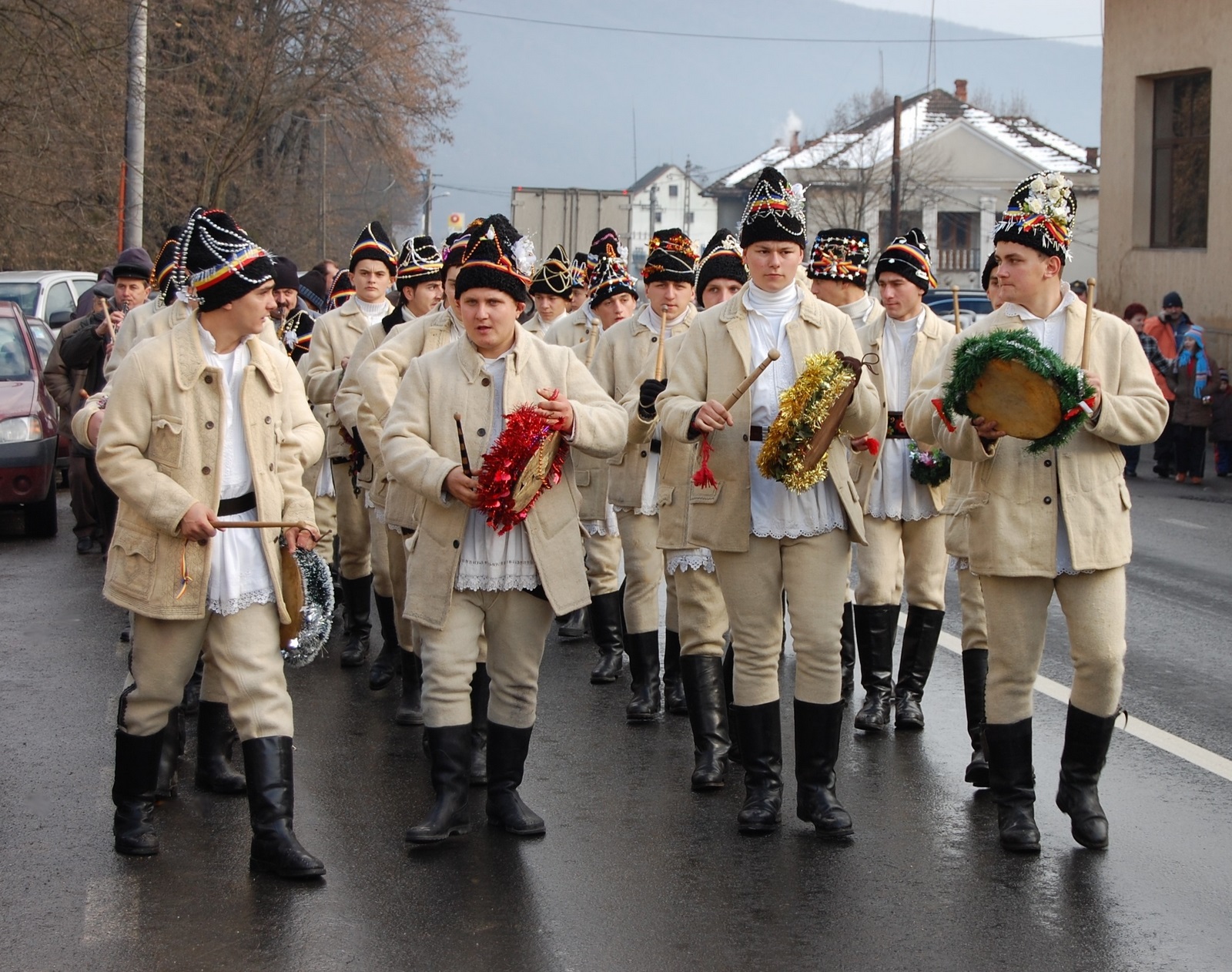 Celebrations are also a constant in each country with plays, nativity scenes, and caroling a large part of this holiday. In the Dominican Republic of Congo, full musical evenings with multiple choirs and nativity plays last long into the evening and early morning. In Brazil nativity scenes called ‘Os Pastores’ (the Shepherds) are available for everyone to enjoy. In Romania ‘dubasi’ or bands of 50-60 unmarried men sing through the streets, the same happens in Greece where the young men carry wooden
  boats and receive gifts. Going to Mass for church services is also the norm as in Portugal where the “Missa do Galo” or mass of the rooster is celebrated. In South Africa, where it is a hot time of year, people walk through the streets singing carols by candlelight. What a beautiful sight that must be!
 shapes and forms are the norm as well with spider web decorations in the Ukraine part of bringing good luck into the homes. In Greece basil is kept in a bowl of water in the middle of the table and used to sprinkle holy water throughout the house to ward away evil spirits. Nativity scenes or creche are often used as decoration as in Malta where the nativity cribs called ‘presepju’ are decorated with ‘pasturi’ or shepherds and angels. Also, seeds such as wheat, grain, and canary seed ‘gulbiena’ are grown to decorate the bed of the baby Jesus.
 the weather is warm this time of year, ‘jandals’ or flip flops are a favorite gift. Speaking of shoes, in some countries the shoes are dusted off and left out to be filled with sweets and presents this is also true of socks. Not only are presents left under the tree, but are places in shoes as in Romania and Portugal and are often delivered by the baby Jesus as in Slovakia.


 Genealogy for Children